
HMO Fire Safety Rules Explained
By Benjamin Owoicho Adah | August 31, 2026
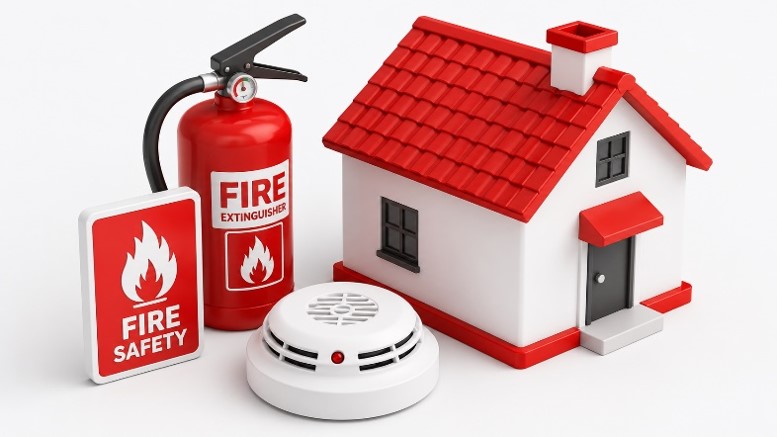
Fire safety in HMOs is non-negotiable. It's not just about compliance — it's about protecting lives.
In March 2025, new fire safety rules came into effect, requiring all HMOs to have interlinked smoke and heat detectors and fire doors in kitchens and on every floor in three-storey homes.
Failing to comply can result in significant fines, legal action, and in extreme cases, imprisonment. This guide covers everything you need to know about HMO fire safety regulations.
The Legal Duty
As an HMO landlord, you have a legal duty to ensure the property is safe from fire risks. This includes:
- A Fire Risk Assessment (required by law).
- Installing and maintaining appropriate fire safety equipment.
- Ensuring tenants understand fire evacuation procedures.
Fire Risk Assessment
The Fire Risk Assessment is your starting point. It's a legal requirement for all HMOs.
What it covers:
- Identifying fire hazards.
- Evaluating who is at risk.
- Assessing existing fire safety measures.
- Deciding on additional measures required.
- Documenting findings and action plans.
Who should do it?
You can do it yourself if you're competent. Otherwise, hire a professional fire risk assessor.
Mandatory Fire Safety Equipment
1. Smoke Alarms
- Interlinked smoke alarms are required on every floor of the property.
- Alarms must be interlinked so that if one goes off, all go off.
- Battery or mains-powered are both acceptable, but mains-powered with backup batteries is recommended.
2. Heat Detectors
- Required in kitchens where smoke alarms might be triggered by cooking.
- Must be interlinked with the smoke alarms.
3. Fire Doors
- Fire doors are required on every floor in three-storey homes.
- Required in kitchens.
- Must be self-closing and in good condition.
- Approved fire doors meet British Standard BS 476 Part 22.
4. Fire Extinguishers
- Not legally required in all HMOs, but strongly recommended.
- At least one fire extinguisher (water or foam) on each floor.
- Fire blanket in the kitchen.
5. Emergency Lighting
- Required in larger HMOs to light escape routes if power fails.
- Particularly important for properties with complex layouts.
Escape Routes
Your HMO must have clear, safe escape routes.
Requirements:
- All escape routes must be kept clear and unobstructed.
- Escape routes should be well-lit (emergency lighting where needed).
- Escape doors should open easily from the inside.
- Directional signs should mark the escape route.
For properties with 3+ storeys:
- Two escape routes may be required.
- Alternative escape routes via windows or external stairs may need to be considered.
Monthly Testing
Fire safety equipment doesn't work forever. Regular testing is required.
|
Equipment |
Testing Frequency |
|
Smoke alarms |
Monthly test |
|
Heat detectors |
Monthly test |
|
Fire extinguishers |
Annual service |
|
Emergency lighting |
Monthly functional test |
|
Fire doors |
Annual inspection |
Common Fire Safety Mistakes
- Not interlinking alarms: Alarms on separate floors must be interlinked.
- Using domestic fire doors: HMO fire doors must be proper fire-rated doors.
- Blocking fire escapes: Storage, furniture, or clutter in escape routes is a serious violation.
- Missing monthly tests: Regular testing isn't optional — document it.
- Not informing tenants: Tenants must understand fire evacuation procedures.
Penalties for non-compliance
The consequences of failing to meet fire safety regulations are severe:
- Fines: Up to £30,000 or more for serious breaches. One Bristol landlord was fined £20,000 for failing to meet new fire safety standards.
- Prosecution: In extreme cases, landlords can face imprisonment.
- Rent Repayment Orders: Tenants can claim back rent.
- Licence Revocation: Your HMO licence could be revoked.
Fire safety in HMOs requires serious attention. The cost of compliance (£500-£2,000+ per property) is minor compared to the cost of non-compliance — both financial and human.
If you're unsure about any aspect of HMO fire safety, consult a professional. When it comes to fire safety, don't cut corners.