
Bank Rate Holds at 3.75% as Inflation Concerns Put Mortgage Borrowers on Alert
By Philips Omaojo Sanni | September 22, 2026
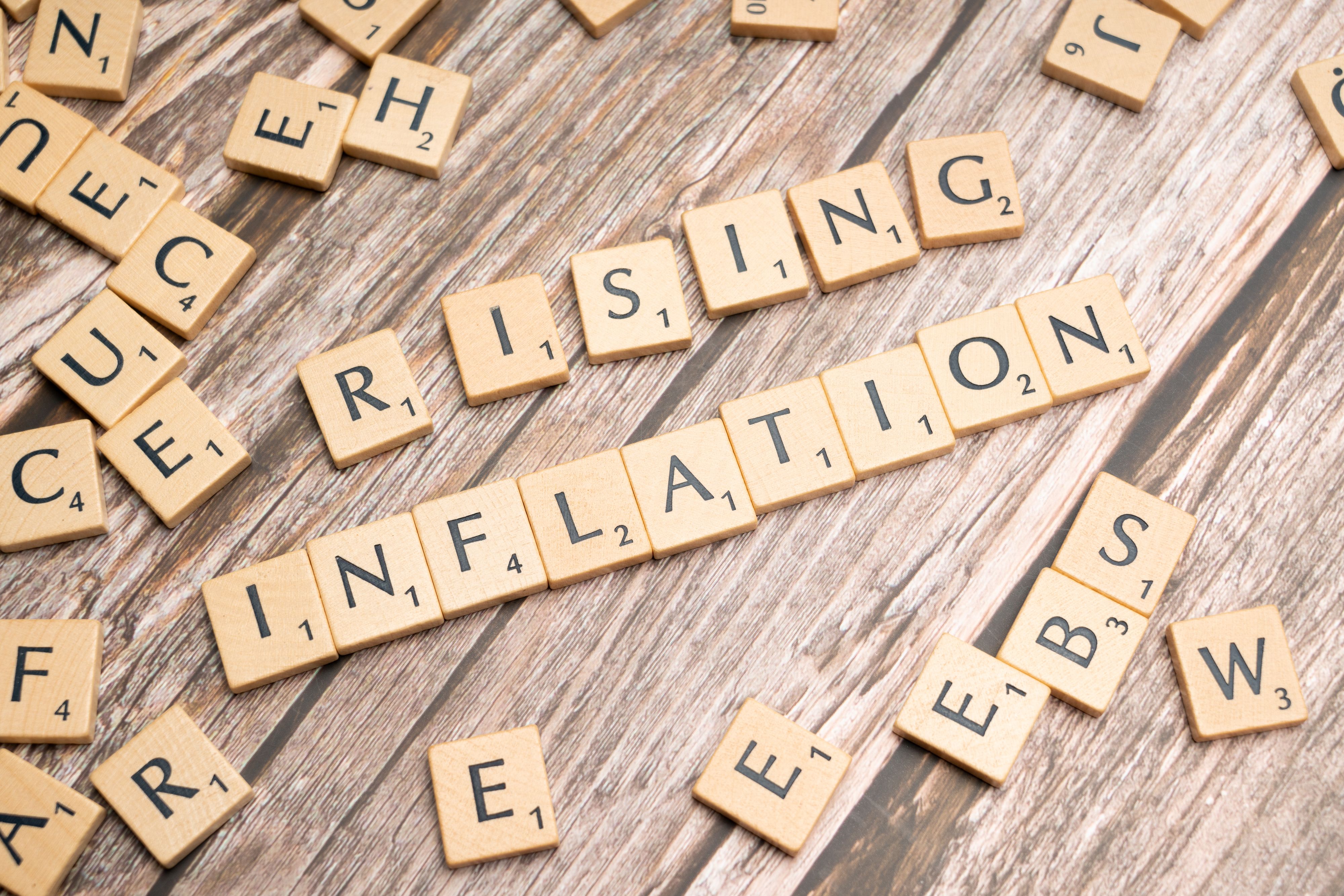
UK mortgage borrowers received a mixed message from the Bank of England this month.
The Monetary Policy Committee voted to keep Bank Rate at 3.75%, but the decision was accompanied by a warning that inflation could rise above 4% in early 2027 if higher global energy costs persist.
Three members of the nine-person committee voted for an increase to 4%.
Why the decision matters to mortgage borrowers
The Bank Rate influences the wider cost of borrowing, although fixed mortgage rates are also affected by financial-market expectations and lender funding costs.
The latest decision therefore does not mean that mortgage rates will automatically remain unchanged.
Rightmove's mortgage tracker showed that between 12 and 19 September, average two-year and five-year fixed rates both increased by around 0.23 percentage points.
For borrowers with smaller deposits, the movement was also significant. Average two-year fixed rates for 95% loan-to-value mortgages reached 5.98%, according to Rightmove's September 19 figures.
Why inflation has become important again
The Bank of England's latest concern centres partly on energy prices and their potential effect on the wider economy.
If higher energy costs become embedded in wages and business prices, inflation could prove more persistent.
That could make it harder for the Bank to reduce borrowing costs.
What does this mean for first-time buyers?
First-time buyers are particularly sensitive to mortgage-rate movements because many rely on high loan-to-value borrowing.
For someone borrowing 90% or 95% of a property's value, even a relatively small change in the mortgage rate can materially affect monthly repayments.
This could influence:
-
The maximum purchase price a buyer can afford
-
The amount needed for a deposit
-
Mortgage term selection
-
Whether a buyer chooses to proceed
-
The type of property being considered
Existing borrowers also need to pay attention
Homeowners coming to the end of fixed-rate deals may face a different rate from the one they secured several years ago.
Borrowers should therefore review their options before their existing deal expires and consider the total cost of each product rather than focusing exclusively on the headline rate.
The autumn mortgage market
The Bank of England's decision provides some stability because Bank Rate has not increased.
However, the inflation warning means borrowers should not assume that mortgage costs will fall quickly.
For the property market, the key issue remains affordability.
The cost of financing a home may continue to matter more to buyers than modest movements in property prices.